How does water dispenser capacity differ for home and office use?
Homes usually have fewer users and more evenly distributed demand. Offices may have many users drawing water during short breaks, so peak demand and recovery time matter more.
Capacity and usage guide
Home kitchens and office pantries create different demand. Compare daily users, peak-hour usage, hot water frequency, available space and dispenser format before choosing a model.
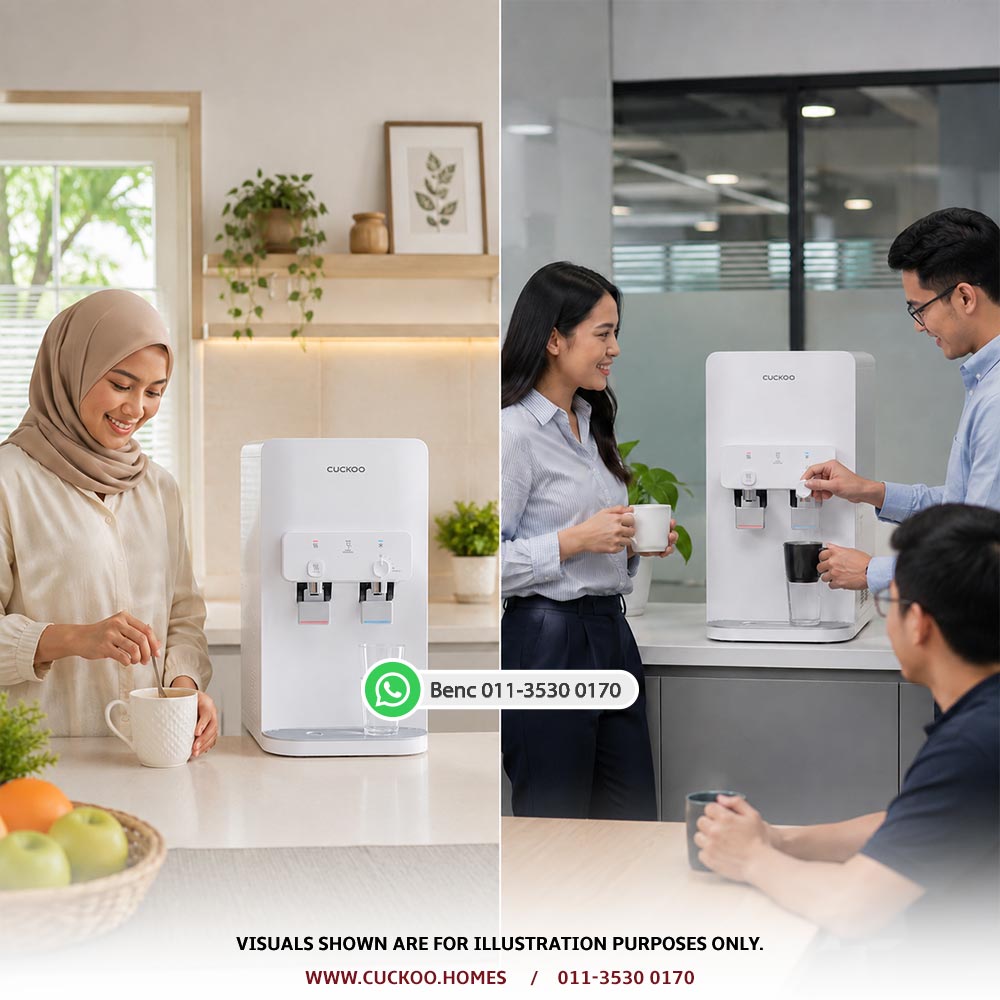
A dispenser may serve only a few people at home but face concentrated demand in an office pantry. The number of daily users is important, but when they use the dispenser also affects the capacity and format required.
Home demand is often spread across breakfast, meals and evening drinks. Office demand commonly rises during arrival time, lunch and short breaks, when several people may want hot or cold water within minutes.
For a home kitchen, start with household size, available counter space and how often the family prepares hot drinks or uses cold water. A compact tabletop format can suit smaller households when demand is spread throughout the day.
A larger household may need more stored hot or cold water if several family members prepare drinks, cook or fill bottles around the same time. Measure the installation area before moving from a compact model to a higher-capacity format.
For an office pantry, compare staff count with the busiest usage period. A small team may be comfortable with a tabletop format, while a busy pantry, clinic or showroom may benefit from a floor-standing dispenser and greater shared-use capacity.
Consider how many cups or bottles may be filled during a break, whether visitors also use the dispenser and how frequently staff prepare coffee or tea. These patterns are more useful than staff count alone.
A household that prepares a few drinks at different times has a different requirement from an office where several people make coffee or tea during the same break. Frequent simultaneous use may justify comparing larger stored capacity or a format designed for shared spaces.
Tabletop dispensers need suitable counter width, depth and access to the installation point. Floor-standing models use more floor space but can be easier to position in a dedicated pantry, clinic or customer area. Measure first so capacity does not come at the expense of a workable layout.
Capacity guide
Use these usage signals before opening the relevant model guide.
| Situation | Capacity and usage signals | Good starting page |
|---|---|---|
| Small household | Fewer daily users, demand spread throughout the day and limited counter space | Compare hot and cold dispenser models |
| Large household | Several family members, repeated hot drinks and overlapping morning or evening use | Compare dispenser capacity and formats |
| Small office | Lower staff count, moderate break-time demand and suitable counter space | Compare office dispenser models |
| Busy workplace | Concentrated break times, visitors, frequent hot drinks and dedicated pantry space | Office Water Dispenser Malaysia |
| Clinic or showroom | Staff plus visitor demand, longer operating hours and customer-facing use | Clinic Water Dispenser |
FAQ
Homes usually have fewer users and more evenly distributed demand. Offices may have many users drawing water during short breaks, so peak demand and recovery time matter more.
A higher-capacity or floor-standing format is useful when many staff or visitors use the dispenser during the same periods, especially in busy pantries, clinics and shared workplaces.
Tabletop models suit many homes and smaller offices with suitable counter space. Floor-standing models are generally more practical for heavier shared use and dedicated pantry areas.
Yes. Several users preparing coffee, tea or other hot drinks within a short period can create greater peak demand than occasional household use.
Use the product guide for home models or the office guide for workplace model selection and published plan references.